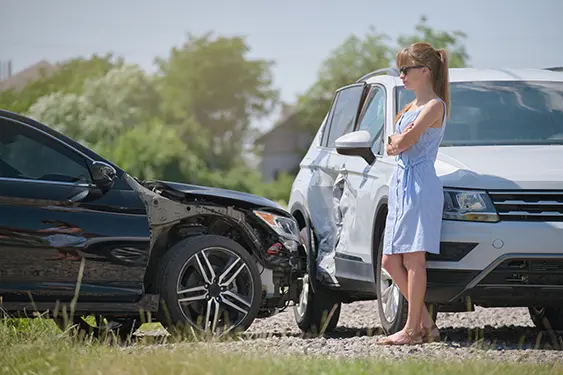
If you’ve been in a car accident, seeking medical attention should be your top priority, even if you don’t feel immediate pain. Delaying treatment could lead to long-term issues and hurt your injury claim.
In some States with Personal Injury Protection (PIP) coverage, waiting too long to see a doctor could result in out-of-pocket medical expenses.
Here is where to go, when to seek treatment, and why immediate care is important after a car accident.
Should I Go to the Emergency Room After a Car Accident?
🚑 You should go to the ER if:
✔ You have severe pain, bleeding, fractures, or head trauma.
✔ You experience dizziness, numbness, confusion, or loss of consciousness.
✔ You were in a high-impact crash and want immediate evaluation.
Even if you don’t feel hurt, the ER can detect hidden injuries through X-rays, MRIs, and CT scans. More importantly, your visit will be documented.
📌 Pro Tip: Tell the ER staff that your injuries are due to a car accident so they will document your case and bill the correct insurance. In most personal injury cases they will file a lien.
After the ER: Where Should You Go for Continued Car Accident Care?
If your injuries are not life-threatening or you have already visited the ER and been discharged, you need to follow up with the right kind of medical provider. Quick care not only helps prevent long-term complications, it also helps your personal injury claim. Below are the most common medical options after an auto accident, depending on the severity of your symptoms and your insurance situation.
1. Accident Injury Clinics (Chiropractors, Orthopedic Doctors, and Physical Therapy Centers)
🩺 Best for:
Soft tissue injuries, whiplash, joint stiffness, neck or back pain, and rehabilitation.
✅ Why choose them:
- These clinics specialize in treating injuries caused by car accidents.
- Providers are familiar with personal injury documentation.
- Many accept PIP (Personal Injury Protection), Med Pay, or attorney liens, meaning you can get treated with no upfront costs.
- Offer a full spectrum of care—chiropractic adjustments, physical therapy, orthopedic evaluations, and sometimes on-site imaging.
📌 Pro Tip: Many family doctors do not accept auto accident cases because of third-party billing. Always confirm that the clinic accepts PIP, Med Pay, or liens before scheduling.
2. Urgent Care Centers
🏥 Best for:
Moderate injuries such as muscle strains, mild concussions, sprains, whiplash, and minor fractures.
✅ Why choose them:
- Faster service and shorter wait times compared to the ER.
- Equipped to handle X-rays, pain medication, and basic care.
- Great for getting initial documentation of your injury if you can’t immediately see an accident doctor.
⚠️ What to watch for:
Most urgent care centers do not accept third-party auto insurance billing. You may have to pay out of pocket and later submit the bill for reimbursement through your auto insurance or attorney.
3. Primary Care Physician (PCP)
👨⚕️ Best for:
Follow-up visits, treatment for minor aches and pains, and coordinating referrals to specialists.
✅ Why choose them:
- They can help monitor your recovery and refer you to neurologists, orthopedists, or pain management clinics if needed.
- Ideal for patients with established relationships with their PCP.
⚠️ Limitations:
- Many PCPs refuse to treat auto accident cases because of billing.
- Most PCP’s do not have in-house diagnostic imaging like MRIs or CT scans.
- They do not accept PIP or Med Pay, you will likely have to pay upfront.
4. Specialists (Neurologists, Orthopedic Surgeons, Pain Management Physicians)
🏥 Best for:
Persistent pain, nerve-related symptoms, disc injuries, spinal trauma, and chronic post-accident complications.
✅ Why choose them:
- Specialists are for diagnosing serious or delayed-onset injuries such as herniated discs, nerve impingement, or traumatic brain injuries (TBI).
- They often provide advanced diagnostic imaging and interventional pain procedures like injections or minimally invasive surgery.
📌 Referral Required:
Most specialists require a referral from a primary care doctor, urgent care, or an accident injury clinic. In personal injury cases, your attorney may also facilitate specialist referrals under a lien arrangement.
How Soon Should I See a Doctor After an Accident?

⏳ Ideally, within 72 hours.
🚨 Why?
✔ Delaying treatment can cause injuries to get worse and prolong recovery.
✔ Insurance companies may deny claims if there are gaps in treatment.
✔ Some states with PIP coverage (like Florida & New York) require treatment within 14 days in order for the PIP to pay for medical care.
Even if you don’t feel pain immediately, soft tissue injuries like whiplash can take days or weeks to appear. Getting checked early makes sure you have a proper diagnosis and documentation.
Do I Need an Attorney Before Seeing a Doctor?
🤔 Not always, but it depends on your state.
✔ In PIP states, you don’t need an attorney to receive treatment. Your medical bills are covered up to your policy limit.
✔ In non-PIP states, many doctors require an attorney’s Letter of Protection (LOP) before treatment.
✔ If your injuries are severe, an attorney can help coordinate medical care and payment options.
📌 Pro Tip: Ask your accident doctor for attorney recommendations if you need legal assistance. Doctors and attorneys work together in injury cases.
Should I Get Checked Even If I Don’t Feel Pain?
Yes! Many car accident injuries have delayed symptoms, including:
🔹 Whiplash – Stiffness and pain may take 24–48 hours to appear.
🔹 Concussions – Symptoms like headaches and dizziness can be delayed.
🔹 Herniated Discs – May cause back pain, numbness, or tingling weeks later.
🔹 Soft Tissue Injuries – Can only get worse if not treated early.
📌 Key Takeaway: Don’t wait until symptoms appear, get checked ASAP to avoid long-term issues.
Common Symptoms After a Car Accident
✅ Physical Symptoms:
✔ Neck & back pain (whiplash, herniated discs)
✔ Headaches, dizziness, nausea (concussions)
✔ Tingling, numbness, weakness (nerve damage)
✔ Muscle stiffness, swelling, bruising (soft tissue injuries)
✅ Emotional & Cognitive Symptoms:
✔ Trouble concentrating, memory issues
✔ Sleep disturbances, anxiety, depression
✔ PTSD-like symptoms (flashbacks, fear of driving)
Questions to Ask Your Doctor After an Accident
📌 Before receiving treatment, ask your doctor these key questions:
✔ Do you accept auto insurance (PIP, Med Pay, third-party billing)?
✔ What types of diagnostic tests will you perform (X-rays, MRI, CT scans)?
✔ Do I need a referral to a specialist?
✔ Will my treatment plan be documented for my insurance claim?
✔ How long will my recovery take?
🚨 Pro Tip: Avoid doctors who refuse to document injuries properly, this could hurt your claim.
Final Thoughts: Where to Go After a Car Accident
🚗 Key Takeaways:
✔ Seek medical care ASAP (within 72 hours) to prevent complications.
✔ Go to the ER for severe injuries—urgent care or an accident doctor for minor/moderate ones.
✔ Don’t wait for symptoms—some injuries take days to show symptoms.
✔ Choose a doctor who accepts auto insurance billing (PIP, Med Pay, LOP).
✔ Documentation is critical—insurance companies look for delays & gaps in treatment.
🔹 Need an accident doctor? Find a trusted injury clinic near you to start your recovery today!