
A car accident can change your life in a matter of seconds. Even when the vehicle damage appears minor, the human body is not built to withstand the sudden force, twisting, and impact of a accident. These stresses can lead to a wide range of injuries, some obvious right away, others developing hours or even days later.
Understanding the types of injuries that commonly occur, the symptoms to watch for, and why seeing a doctor after a accident is one of the most important things you can do in a personal injury case.
Common Injury Types and What to Look For
Here are some of the most typical injuries after a car accident, how they happen, the signs to watch for, and what you should do.

1. Whiplash & Neck Injuries 🌀💥
Whiplash is one of the most common injuries after a vehicle collision, especially in rear-end accidents. Even at speeds as low as 5–10 mph, the neck can be violently thrown forward and backward in a rapid “whipping” motion, overstretching muscles, ligaments, discs, and tendons in the cervical spine.
How Whiplash Happens
- 🚗 Rear-End Collision: The torso moves with the seat, but the head lags behind, then snaps forcefully.
- 🪑 Seat Belt & Headrest Positioning: Improper headrest height increases force on the neck.
- ⚡ Sudden Deceleration: The body stops, but the neck and head continue moving.
This motion leads to sprains, strains, nerve irritation, facet joint inflammation, and sometimes disc injury.
Common Symptoms to Watch For
Symptoms may appear immediately, or they may be delayed 24–72 hours, making whiplash easy to overlook.
| Symptom | Description |
|---|---|
| 🤕 Neck Pain & Stiffness | Difficulty turning your head or looking up/down |
| 🌩️ Headaches | Often starting at the base of the skull |
| 🔥 Shoulder & Upper Back Pain | Muscles may spasm or tighten as they try to stabilize the neck |
| ⚡ Tingling or Numbness | Possible nerve involvement affecting arms or hands |
| 😵 Dizziness / Fatigue | The body compensates for instability in the cervical spine |
| 🧠 Difficulty Concentrating | Signs of concussion may accompany whiplash |
If symptoms get worse or radiate into the arms, this may indicate nerve compression or disc involvement.
Why Whiplash Should Not Be Ignored ⚠️
Even though it may seem like a “soft tissue injury,” untreated whiplash can result in:
- 📉 Chronic Neck Pain
- 🛑 Reduced Range of Motion
- ⚙️ Degenerative Disc Changes Over Time
- 🤧 Shoulder & Upper Back Compensation Injuries
- 💫 Persistent Headaches or Migraines
- 🧍 Posture Changes Affecting Long-Term Function
Many long-term whiplash cases are linked to delayed treatment, not the severity of the crash.
How Doctors Diagnose Whiplash 🔍
A accident doctor may use:
- 🩻 X-Rays to rule out fractures or misalignments
- 🧲 MRI to evaluate discs, ligaments, and nerve compression
- 🖐️ Orthopedic & Neurological Testing to assess mobility and nerve pathways
- 🎯 Palpation and Motion Testing to identify muscle/soft-tissue damage
Treatment Options for Whiplash & Neck Injuries 🌿
Treatment depends on severity but commonly includes:
- 👐 Chiropractic Adjustments– Restore joint alignment and improve mobility.
- 💆 Myofascial Release & Soft Tissue Therapy– Reduces muscle tension and scar tissue.
- 🏋️ Therapeutic Exercises– Strengthens stabilizing muscles around the spine.
- ❄️/🔥 Ice & Heat Therapy– Controls inflammation and promotes healing.
- 🧘 Posture & Ergonomic Training– Helps prevent long-term pain and stiffness.
- 🩹 Cervical Supports (when needed) – Used only short-term to prevent over-strain.
When to See a Doctor Immediately 🚑
Seek medical attention right away if you experience:
- ⚡ Numbness or tingling in the arms or hands
- 🦴 Pain that gets worse over time instead of improving
- 🔄 Loss of balance or muscle weakness
- 🚫 Inability to rotate or tilt your head
These may indicate disc herniation or nerve damage.
Whiplash is a real injury, even when the vehicle damage is minor. Early diagnosis and treatment can prevent chronic pain and long-term complications.
2. Head Injuries & Concussions 🧠⚠️

Head injuries in car accidents can range from mild concussions to traumatic brain injuries (TBI). These injuries don’t always require a direct blow to the head. Sudden acceleration or deceleration can cause the brain to shift inside the skull, leading to bruising and inflammation.
This is why you can have a concussion even if you didn’t hit your head on anything.
How Head Injuries Occur in a Collision
- 🚗 Whiplash Motion: The brain strikes the inside of the skull due to rapid movement.
- 🪂 Airbag Deployment: The head may snap forward when the airbag inflates.
- 🪟 Impact With Hard Surfaces: Steering wheel, headrest, dashboard, or window.
- 🏁 Sudden Stop: The brain shifts violently even without external impact.
Common Signs & Symptoms of a Concussion
Symptoms may develop immediately or slowly over hours to days. Some are subtle and easy to miss.
| Symptom | Description |
|---|---|
| 🤕 Headaches | Often persistent or pressure-like |
| 🫨 Dizziness or Balance Problems | Feeling unsteady or lightheaded |
| 🔄 Confusion or Disorientation | “Fuzzy” thinking or slowed mental processing |
| 🧏 Memory Issues | Forgetting parts of the accident or recent events |
| 🌙 Excessive Fatigue or Sleep Disturbance | Sleeping too much or too little |
| 😵 Sensitivity to Light & Sound | Overstimulation or discomfort in busy environments |
| 😠 Mood Changes | Irritability, anxiety, or emotional swings |
Important: You do not have to lose consciousness to have a concussion.
Warning Signs of a More Serious Brain Injury 🚨
Seek emergency care if you notice:
- 🧑🦯 Weakness or numbness in limbs
- 👁️ Unequal pupils
- 💬 Slurred speech or difficulty speaking
- 🧍 Trouble walking or balancing
- 🤢 Vomiting repeatedly
- 😴 Feeling unusually drowsy or unable to stay awake
These may indicate bleeding or swelling inside the skull, which is a medical emergency.
Types of Car Accident-Related Head Injuries
- 🧠 Concussion: Temporary brain function disruption.
- 🔥 Brain Contusion: Bruising on the brain tissue.
- 🩻 Skull Fracture: Breaks in the skull from impact.
- 🩸 Intracranial Hemorrhage: Bleeding inside the brain.
- 🌫️ Post-Concussive Syndrome: Symptoms lasting weeks to months.
Even mild brain injuries can have long-term effects if not properly treated.
How Doctors Diagnose Head Injuries 🩺
A car accident doctor may use:
- 🧠 Neurological Exam – Tests memory, reflexes, and cognitive function
- 🩻 CT Scan – Detects bleeding and fractures
- 🧲 MRI – Shows swelling, bruising, ligament injury, or micro-trauma
- 📝 Neurocognitive Testing – Measures concentration and processing speed
Treatment for Head Injuries & Concussions 🌿
Recovery may include:
- 🛏️ Rest & Cognitive Recovery Time – Brain needs time to heal
- 💡 Reduced Screen Time – Limit phone, TV, and computer use
- 🧘 Stress & Stimulus Reduction – Avoid overstimulation
- 🏃 Gradual Return to Activity – No rushing physical activity
- 💊 Pain & Anti-Inflammatory Medication – When medically appropriate
- 🧑⚕️ Specialist Referral – Neurology, physical medicine, or vestibular rehab
Head injuries are not always obvious. Early treatment reduces the risk of long-term brain-related complications.
3. Back Pain, Disc Injuries & Spinal Trauma 🧍♂️🩻
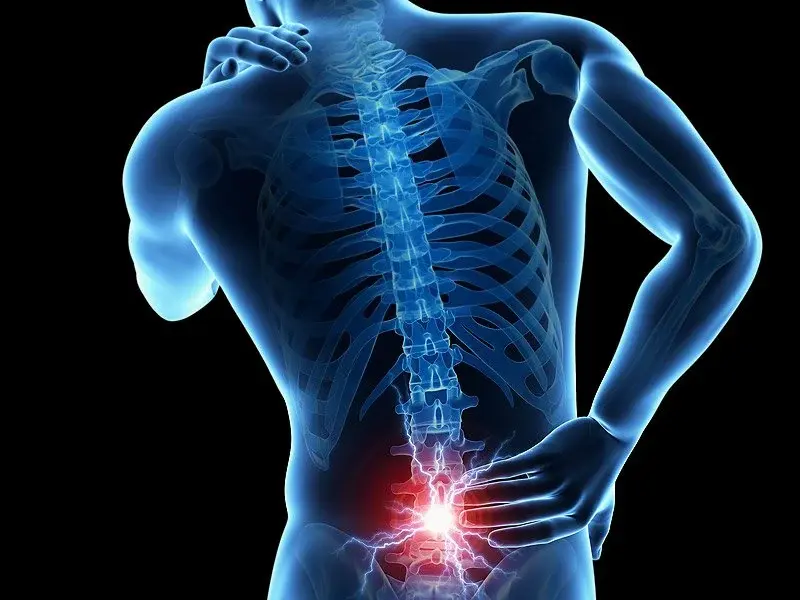
The spine absorbs much of the force during a collision. Sudden impact can cause muscle strain, ligament damage, vertebral misalignment, herniated discs, nerve compression, and in severe cases, spinal cord injury. Even low-speed accidents can produce significant back pain due to the sensitivity of the spine.
Because back injuries often get worse over time, seeing a doctor right after your accident is very important.
How Spinal Injuries Occur in a Car Accident
- 🚗 Impact from Rear-End or Side Collision — The torso can twist unnaturally.
- 🧍 Sudden Deceleration — The spine compresses under force.
- 💺 Seat Belt & Body Position — Support varies at the moment of impact.
- 🧲 Whiplash Effect Extending Down the Spine — Not just the neck is affected.
These forces can strain muscles, discs, vertebrae, or spinal nerves, leading to pain that may spread beyond the back.
Common Back Injuries After an Accident
| Injury Type | Description | Symptoms |
|---|---|---|
| 🔥 Muscle Strain / Sprain | Overstretching of soft tissue | Stiffness, soreness, spasms |
| 💿 Herniated or Bulging Disc | Disc material pushes against nerves | Shooting pain, numbness, tingling |
| 🦴 Facet Joint Injury | Small joints connecting vertebrae become inflamed | Localized sharp pain when bending or twisting |
| 🧠 Sciatica / Nerve Compression | Nerve impingement radiating down leg | Burning or electric pain down hip/leg |
| 🧍 Spinal Misalignment | Vertebrae shift slightly out of position | Pain with movement, posture changes |
Warning Signs of a More Serious Back or Spinal Injury 🚨
Seek immediate medical attention if you experience:
- ⚡ Radiating pain into the legs or buttocks
- 🦵 Numbness, tingling, or weakness in legs or feet
- 🚫 Loss of bladder or bowel control (very rare)
- 🧍 Difficulty standing, walking, or maintaining posture
- 🔄 Pain that steadily increases instead of improving
How Doctors Diagnose Back & Spine Injuries 🔍
A accident physician may recommend:
- 🩻 X-rays to check for fractures or misalignments
- 🧲 MRI scans to evaluate discs, nerves, and soft tissues
- 💻 CT scans for detailed imaging of bone structures
- 🧑⚕️ Orthopedic, Chiropractic, or Neurological Evaluation
- 🎯 Range-of-motion and functional testing to determine severity
Back injuries are often multi-layered, so comprehensive evaluation is mandatory.
Treatment Options for Back & Spinal Injuries 🌿
Treatment is tailored to the type and severity of injury:

- 👐 Chiropractic Adjustments
Restore alignment and relieve nerve pressure. - 💆 Medical Massage & Soft Tissue Therapy
Reduces inflammation and muscle guarding. - 🏋️ Physical Therapy & Strengthening Exercises
Restores stability and prevents re-injury. - ❄️/🔥 Ice & Heat Therapy
Controls inflammation and promotes circulation. - 🪑 Posture & Core Strength Training
Supports long-term spinal health. - 💊 Pain & Anti-Inflammatory Medication (when needed)
Helps manage pain during recovery. - 🧑⚕️ Injections or Specialist Referral (if conservative care is not enough)
Most patients improve significantly with consistent, early, and guided care.
Back and spinal injuries can be subtle at first, then may gradually get worse. If you feel stiffness, radiating pain, numbness, or decreased mobility after a car accident, do not wait to see a doctor.
4. Shoulder, Arm & Upper-Extremity Injuries
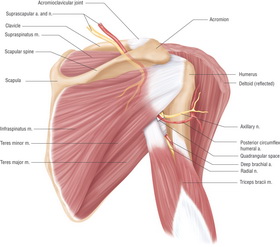
The arms and shoulders often take the brunt of force during a collision. From gripping the steering wheel, bracing for impact, or being jolted sideways by the crash. These sudden stresses can injure bones, joints, muscles, nerves, and connective tissues throughout the upper body.
Even if pain seems mild at first, upper-extremity injuries can limit mobility, interfere with daily tasks, and, if untreated, lead to long-term weakness or chronic pain.
💥 How These Injuries Happen
Common mechanisms include:
- Tightening your grip on the steering wheel during impact
- Shoulder belts restraining the upper body as the vehicle stops
- Hands or arms hitting door panels, consoles, or airbags
- Side-impact collisions causing the shoulder to compress or twist
These forces can damage both soft tissues and joint structures.
🩹 Common Shoulder & Arm Injuries After a Crash
- Rotator Cuff Strains or Tears 🎯
Pain when lifting the arm, reaching overhead, or sleeping on the injured side. - Shoulder Sprains & Dislocations 🔧
The ball of the shoulder joint may partially or fully dislocate from its socket. - Brachial Plexus Nerve Injuries ⚡
Caused by stretching forces that lead to tingling, numbness, or burning pain down the arm. - Tendinitis & Overuse Inflammation 🔥
Can occur as the body compensates for other painful injuries. - Elbow, Wrist & Hand Injuries ✋
Including sprains, fractures, or “airbag wrist” from sudden hyperextension.
🔍 Symptoms to Look Out For
- 🎯 Sharp or dull shoulder pain
- 🚫 Difficulty lifting, pushing, or carrying
- 🧱 Stiffness or restricted movement
- ⚡ Numbness, tingling, or “pins and needles” in the arm or hand
- 💪 Weakness or reduced grip strength
- 🟣 Bruising or visible swelling
These symptoms can develop immediately or gradually, especially as inflammation increases.
🏥 Diagnosis & Treatment
Evaluation may include:
- Physical examination & range-of-motion testing
- X-rays to check for fractures or dislocations
- MRI/Ultrasound to detect muscle or tendon tears
- Nerve conduction testing if numbness is present
Treatment commonly involves:
- 🧊 Ice / Heat therapy
- 💊 Anti-inflammatory care
- 🏋️♂️ Guided physical or chiropractic therapy
- 🩼 Bracing or immobilization
- 🩻 In severe cases, orthopedic or surgical referral
Early treatment improves outcomes, waiting may cause scar tissue, stiffness, and long-term weakness.
5. Hip, Pelvis, Leg & Knee Injuries
The lower body absorbs a significant amount of force during a collision. Whether your knees strike the dashboard, your hips twist under the seat belt, or the vehicle frame compresses inward, the hips, pelvis, and legs are vulnerable to trauma. These injuries can be painful, limit mobility, and often require specialized treatment to prevent long-term complications.
💥 How These Injuries Occur
During impact, the lower body may experience:
- Direct blows from the dashboard, door frame, or center console
- Twisting motions as the vehicle shifts direction
- Seatbelt compression across the hips and pelvis
- Force transfer from bracing your feet against the floorboard
These forces can injure both the bones and joints, as well as muscles, tendons, and ligaments in the region.
🦵 Common Lower-Body Injuries After a Crash
- Hip Sprains, Strains & Bursitis
Caused by overstretching muscles and soft tissues around the hip joint.
Symptoms include stiffness, groin pain, and difficulty walking. - Pelvic Fractures
More common in higher-speed or side-impact crashes.
May cause severe pain, bruising, and trouble standing or sitting. - Knee Injuries (“Dashboard Knee”)
Occurs when the knee hits the dashboard, forcing the shinbone backward and injuring the ACL, PCL, or joint cartilage. - Meniscus Tears
Twisting motions during impact may tear the cushioning cartilage inside the knee, leading to painful popping, locking, or swelling. - Sciatica or Nerve Compression
Impact to the hips or lower spine can inflame nerves, causing pain that radiates down the leg. - Leg, Tibia, or Femur Fractures
Sudden deceleration can transmit enough force to fracture major leg bones.
🔍 Signs & Symptoms to Watch For
- 🟣 Swelling or bruising around the hip or knee
- 🚶♂️ Difficulty walking, limping, or stiffness
- 💢 Sharp or deep aching pain in the hip, thigh, or knee
- 🦵 Clicking, popping, or locking with movement
- ⚡ Shooting pain down the leg
- 🦴 Inability to bear weight (possible fracture)
Even mild pain can mask more serious damage, especially in the hip or knee joints.
🏥 Diagnosis & Treatment
Evaluation may include:
- X-rays to check for fractures
- MRI to detect ligament or cartilage injuries
- Ultrasound for soft-tissue damage
- Physical exam to assess joint stability and function
Treatment may involve:
- 💊 Anti-inflammatory medication
- 🧊 Ice and compression to reduce swelling
- 🩼 Bracing or immobilization
- 🏋️♀️ Physical therapy for strength and mobility
- 🩻 Orthopedic referral for severe tears or fractures
Delaying care can lead to chronic instability, joint degeneration, or long-term gait problems.
5. Cuts, Lacerations, Burns & Facial Injuries
During a car accident, broken glass, sharp metal edges, shattered interior components, and deployed airbags can all cause visible injuries to the face and upper body. While some appear minor, even small wounds can lead to infection, scarring, nerve damage, or long-term cosmetic concerns if not properly treated.
These injuries are often emotionally distressing as well, particularly when they affect the face.
🗡️ How These Injuries Occur

Cuts and burns can result from:
- Shattered glass from windows and windshields
- Metal fragments or sharp plastic from the vehicle interior
- Seatbelt or airbag friction during rapid restraint
- Chemical burns from battery acid or deployed airbag residue
- Impact with steering wheels, dashboards, or door frames
Even when the airbag functions properly, the force and heat it releases can cause abrasions or burns.
🩹 Common Injury Types
- Surface Cuts and Abrasions
Scraping or tearing of the skin caused by debris or impact. May appear minor but require proper cleaning to prevent infection. - Deep Lacerations
These penetrate multiple layers of skin and may require stitches or surgical closure. They are more likely to result in visible scars. - Facial Bruising & Soft-Tissue Damage
Often caused by steering wheel or airbag impact. Swelling and discoloration can develop rapidly. - Airbag Burns 🔥
Can be:- Thermal burns from heat during deployment
- Chemical burns from sodium-based propellant residue
- Dental, Jaw, and Oral Injuries
Sudden impact can chip, break, or loosen teeth, or cause jaw misalignment. - Eye Injuries 👁️
Glass fragments, debris, or airbag dust may irritate or damage the eyes, potentially affecting vision.
🔍 Symptoms to Watch For
- 🟣 Swelling, redness, warmth, or drainage (possible infection)
- 💢 Persistent facial or jaw pain
- 👁️ Blurred or double vision
- 🩸 Bleeding that does not stop with pressure
- 😶 Numbness around the wound (possible nerve involvement)
If any of these symptoms appear, prompt treatment is essential.
🏥 Diagnosis & Treatment
Care may include:
- Wound cleaning & sterilization to reduce infection risk
- Stitches, staples, or surgical closure for deeper lacerations
- Topical or oral antibiotics if infection is present or likely
- Scar-minimizing treatment (silicone gels, laser therapy, etc.)
- Dental or maxillofacial evaluation for mouth and jaw injuries
- Eye examination for corneal scratches or foreign debris
Care improves both healing and cosmetic outcomes.
6. Internal Injuries, Seat Belt & Blunt-Trauma Effects
Internal injuries are among the most dangerous results of a car accident because they’re not always visible. The force of impact, seatbelt pressure, or being struck by the steering wheel or airbag can cause damage to internal organs, tissues, and blood vessels.
⚠️ Why Internal Injuries Are So Serious
Internal injuries can cause internal bleeding, reduced blood flow, and organ damage. These conditions may get worse rapidly, sometimes becoming life-threatening before a person realizes something is wrong.
🔍 Common Types of Internal Injuries from Car Accidents
- 🫁 Lung Contusions (Bruised Lungs)
Can occur when the chest hits the steering wheel or airbag. May lead to difficulty breathing or chest pain. - 🩸 Internal Bleeding
Damage to blood vessels inside the body can cause dangerous blood loss that may not be noticeable at first. - 🍖 Rib or Chest Wall Injuries
Broken or bruised ribs can puncture organs or cause severe pain when breathing. - 🫀 Organ Damage (Spleen, Liver, Kidneys, etc.)
Hard impacts can bruise or tear internal organs, which may cause delayed shock or infection. - 🧑⚕️ Abdominal Trauma
May present as swelling or tenderness, often mistaken for “muscle soreness.”
🛑 Symptoms You Should Never Ignore
Seek medical attention right away if you feel:
- 🤒 Fever
- 🤢 Nausea or vomiting
- ⚫ Deep abdominal pain or swelling
- 💨 Shortness of breath
- 🩶 Pale, cold, or clammy skin
- 💤 Unusual sleepiness or fatigue
- ❤️🔥 Rapid heartbeat or dizziness
These can be signs of internal bleeding or organ distress, which require immediate medical attention.
🏥 Diagnosis & Treatment
Doctors may use:
- CT scans
- Ultrasound imaging
- Blood tests
- Monitoring of vital signs
Treatment may involve:
- Rest and observation
- Pain management
- Surgery, if internal bleeding is severe
7. Psychological & Emotional Trauma
Not all car accident injuries are physical. Many accident victims experience emotional and psychological effects that can be just as impactful as bodily injuries. Trauma may appear immediately, or it can develop gradually in the days and weeks following the crash.

Mental health symptoms should never be minimized. Emotional trauma can affect daily life, work, relationships, and recovery.
💥 What Causes Psychological Trauma After a Crash?
A car accident is a sudden, frightening event. The body and brain react by releasing stress hormones, which can disrupt emotional balance and create persistent fear or anxiety. Even individuals who appear “calm” right after the accident may struggle later as the shock wears off.
🧩 Common Emotional & Psychological Responses
- 😨 Anxiety or nervousness, especially about driving
- 😔 Depression or sadness related to pain, life changes, or lost independence
- 🔄 Intrusive thoughts or flashbacks of the accident
- 💤 Sleep disturbances, including trouble falling asleep or nightmares
- 🤯 Difficulty concentrating or staying focused
- 🧍 Social withdrawal, avoiding people or daily activities
- 🚗 Avoidance behaviors, such as fear of riding in or driving a car
These are normal reactions, but when they persist, professional support is highly recommended.
🧠 Post-Traumatic Stress Disorder (PTSD)
Some individuals develop PTSD, a clinical condition that can interfere with daily functioning. PTSD symptoms may include:
- 🌩️ Recurring memories or “reliving” the crash
- 🚨 Sudden emotional or physical distress when reminded of the accident
- 🧱 Emotional numbness or detachment
- 😡 Irritability, anger, or mood swings
If symptoms persist more than one month, it may be PTSD and should be evaluated by a qualified mental health professional.
🧑⚕️ Treatment & Support Options
Treatment may include:
- 🗣️ Therapy / Counseling — Helps process the event safely and gradually
- 💊 Medication (if appropriate) — Supports mood stabilization or anxiety relief
- 🧘 Relaxation techniques — Deep breathing, meditation, and grounding exercises
- 🚶 Gradual re-exposure — Working back into driving or riding in vehicles at your own pace
- 🤝 Support groups — Sharing experiences with others who understand
💡 Key Reminder
Emotional distress after a car accident is not a sign of weakness. It is a real and valid medical condition that deserves care just as much as physical injuries.
Why Choose an Auto-Injury Specialist?
When recovering from a car accident, not just any doctor will do. Auto-injury specialists understand the unique forces and trauma involved in collisions and how these impact the body, often in ways standard medical exams miss.
🎯 Benefits of Choosing a Car Accident Injury Doctor

- 🔍 Targeted Injury Detection
Auto-injury physicians are trained to identify whiplash, soft-tissue injuries, nerve compression, and micro-tears that are often overlooked in routine ER or urgent care exams. - 🧪 Appropriate Diagnostic Imaging
They coordinate imaging tests such as MRI, CT scans, and X-rays, ensuring underlying injuries are accurately diagnosed not simply masked with short-term pain medication. - 🩺 Comprehensive Treatment Plans
Care goes beyond immediate pain relief. Auto-injury doctors focus on:
➤ Reducing inflammation
➤ Restoring mobility
➤ Preventing chronic pain
➤ Guiding long-term rehabilitation - 💼 Seamless Insurance Billing
These providers are familiar with auto insurance, PIP, MedPay, and attorney liens, reducing out-of-pocket costs and streamlining your care. - 🤝 Coordination With Legal Counsel
If you are pursuing a personal injury claim, they can provide detailed medical documentation that supports your personal injury case.
Final Word
A car accident affects more than your vehicle, it impacts your body, your comfort, your sleep, and your ability to live normally. Some injuries appear immediately, while others take days, or even weeks to become noticeable.
Understanding the types of injuries, recognizing warning signs, and choosing the right medical providers early can make a major difference in your recovery.
If you or someone you care about has recently been in a collision:
- 🕒 Do not wait for symptoms to get worse.
- 🧑⚕️ See a auto-injury specialist immediately.
Your recovery is too important to leave to chance, get evaluated, get treated, and get on the path to healing.