
Car accidents, even at low speeds, can generate powerful forces that impact your body. Among the most common injuries are back injuries. Despite advanced safety features in modern vehicles, back trauma remains frequent due to the spine’s complex and delicate structure. While technology has reduced fatalities, non-fatal spinal injuries have become more common.
⚙️ Why Back Injuries Happen in Car Accidents
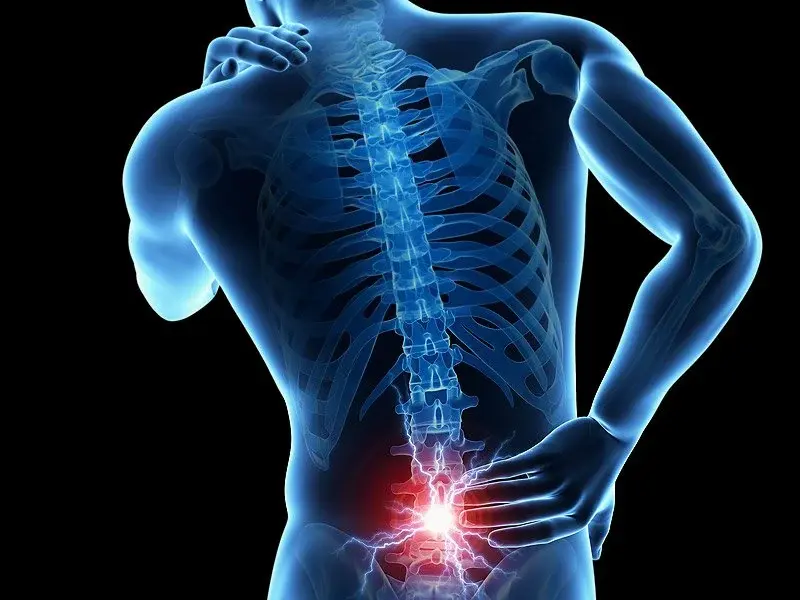
The human spine is a remarkable yet fragile system made up of 24 vertebrae, 23 discs, numerous ligaments, muscles, and a web of nerves that transmit signals throughout the body. It supports your weight, enables movement, and connects the brain to the rest of your body. However, even a minor collision can place unnatural strain on this finely tuned structure.
Sudden Impact Disrupts Spinal Alignment
During a crash, your body experiences a rapid change in speed and direction. The sudden deceleration or twisting motion can cause the spine to compress, stretch, or rotate beyond its normal limits. These forces place extreme stress on the vertebrae, discs, and nerves, often resulting in injuries ranging from mild sprains to severe spinal damage.
🚘 Different Types of Collisions Cause Different Back Injuries
Each type of car accident creates unique stress patterns on the spine:
- Rear-End Collisions – Often cause whiplash, which affects not only the neck but also the upper and lower spine due to the whip-like motion of the body.
- Side-Impact (T-Bone) Accidents – Generate rotational forces that twist the torso, leading to disc herniation, joint misalignment, or muscle tears.
- Rollover Accidents – Expose the spine to multiple angles of impact, increasing the risk of fractures and dislocations.
Because every crash is different, back injury symptoms can vary greatly from one person to another.
⛑️ Seat Belts and Spinal Strain
Seat belts save countless lives, but they can also contribute to spinal strain. When the torso is restrained, the head and limbs continue moving with momentum. This uneven restraint can create torque in the cervical (neck) and thoracic (mid-back) regions, leading to sprains, strains, or disc injuries.
💀 The Head’s Weight Adds Stress to the Spine
Your head weighs around 10–12 pounds. During a crash, the sudden motion amplifies this force dramatically. When your head snaps forward or backward, it can injure the discs, ligaments, and nerves in your neck and upper back, sometimes without immediate symptoms.
⚠️ Common Symptoms of a Back Injury After a Car Wreck
Back injuries may not cause pain right away. Adrenaline and shock can mask symptoms for hours or even days.
If you start to feel pain, stiffness, or tingling later, don’t ignore it, it could signal a serious problem.
Watch for these warning signs:
- Radiating Pain in Arms or Legs – Indicates nerve involvement such as sciatica or cervical radiculopathy.
- Muscle Spasms or Fatigue – Muscles tighten to protect injured tissue, causing stiffness or sharp pain.
- Numbness or Tingling – Suggests nerve compression, often from a herniated or bulging disc.
- Reduced Mobility or Stiffness – Difficulty bending, twisting, or standing straight may point to spinal injury.
- Localized or Widespread Pain – Pain may occur in the neck (cervical), mid-back (thoracic), or lower back (lumbar).
🚨 Why You Shouldn’t Ignore Back Pain After an Accident
Even mild symptoms can develop into chronic pain, nerve damage, or mobility loss if left untreated.

🩻 Types of Back Injuries From Car Accidents
💠Bulging Disc
A bulging disc occurs when the cushion between your vertebrae shifts out of place. This condition may press against nearby nerves, leading to pain, numbness, or weakness. Bulging discs are common in rear-end collisions due to the abrupt jerking motion of the spine.
🩹Herniated Disc
If a bulging disc ruptures and leaks its inner fluid, it becomes a herniated disc. This type of injury can cause intense pain, especially if the fluid compresses nerve roots. Treatment ranges from physical therapy and medication to surgery in severe cases.
⚡Pinched Nerve
When a disc presses against a nerve, it disrupts the signal between your brain and the affected body part. This can lead to sensations of “pins and needles,” burning, or even partial paralysis. If the pressure is relieved quickly, the nerve may heal. However, prolonged compression can result in permanent damage.
💪Soft Tissue Injuries
Muscles, tendons, and ligaments in your back can stretch or tear due to the force of impact. These are known as soft tissue injuries and include sprains and strains. Symptoms may not appear immediately but often include soreness, stiffness, and inflammation.
🦴Spinal Fractures
Extreme impact can fracture vertebrae. Types include:
- 💥 Compression Fracture – Front of vertebra collapses.
- 💢 Burst Fracture – Vertebra breaks in multiple places.
- 🔄 Flexion Fracture – Caused by bending too far forward.
- ⚠️ Dislocation Fracture – Vertebrae shift out of alignment, may require surgery.
Spinal fractures require immediate emergency care.
🧠 Diagnosing a Back Injury After a Car Accident
A thorough medical evaluation is essential to identify the cause and severity of your pain. Doctors may use the following tests:

📸 X-Rays
What they show:
X-rays are typically the first imaging test ordered after a car accident. They provide a clear view of the bones in your spine and can detect fractures, dislocations, or signs of spinal misalignment.
Why it matters:
While X-rays don’t show soft tissue injuries, they’re excellent for identifying broken bones and structural damage that may require immediate care.
🧲 MRI
What it shows:
An MRI uses powerful magnets and radio waves to produce detailed images of your spinal discs, nerves, ligaments, and soft tissues.
Why it matters:
MRIs are for diagnosing conditions like herniated or bulging discs, pinched nerves, spinal cord compression, and torn ligaments, injuries that often don’t show up on X-rays.
🖥️ CT Scan
What it shows:
A CT scan creates cross-sectional images of your spine using X-ray technology. It provides more detail than standard X-rays and can help detect small fractures or subtle abnormalities in the bone and disc structure.
Why it matters:
CT scans are especially useful when more clarity is needed after an inconclusive X-ray, or when looking for complex bone injuries.
⚡ EMG (Electromyography)
What it tests:
EMG testing measures how well your muscles and nerves are working together. It evaluates the electrical activity in your muscles and can detect nerve dysfunction or damage.
Why it matters:
If you’re experiencing numbness, tingling, or radiating pain, an EMG can help pinpoint whether your symptoms are due to a pinched or damaged nerve, and how severe the impairment is.
🏥 Treatment Options for Back Injuries
Recovering from a back injury after a car accident often requires a combination of treatments tailored to your specific condition. The type and severity of your injury, as well as your overall health, determine the best approach. Here’s a detailed look at the most common options:
🌀 Chiropractic Care
Chiropractors specialize in diagnosing and treating musculoskeletal injuries, including spinal trauma from car accidents. Their approach focuses on spinal alignment and restoring proper motion. Common techniques include:
- Spinal Adjustments: Gentle, controlled manipulation of the spine to relieve nerve pressure, reduce pain, and improve mobility.
- Soft Tissue Therapy: Targeted massage, stretching, or myofascial release to relax tight muscles and reduce inflammation.
- Rehabilitation Exercises: Strengthening and flexibility exercises to support spinal stability and prevent future injuries.
Chiropractic care is especially effective for sprains, strains, and whiplash-related injuries, often reducing pain without medication or surgery.
🤸 Physical Therapy
A physical therapist develops a personalized plan based on your injury type and limitations. Physical therapy aims to restore strength, mobility, and proper posture, while preventing further injury. Treatment may include:
- Core Strengthening: Exercises that stabilize the spine and support surrounding muscles.
- Stretching and Flexibility Training: Improves range of motion and reduces stiffness.
- Posture and Ergonomic Training: Education on proper body mechanics to minimize spinal stress.
- Manual Therapy: Hands-on techniques to relieve pain and improve joint mobility.
Consistent physical therapy accelerates recovery, reduces chronic pain, and improves long-term spinal health.
💊 Pain Management
For moderate to severe back injuries, especially those affecting nerves or discs, pain management specialists offer solutions to alleviate discomfort while the body heals. These may include:
- Epidural Injections: Corticosteroids injected around irritated nerves to reduce inflammation and pain.
- Nerve Blocks: Localized injections that temporarily block pain signals.
- Prescription Medications: Short-term use of anti-inflammatories, muscle relaxants, or other pain-relief medications to support mobility and recovery.
Pain management allows patients to participate fully in rehabilitation while preventing unnecessary suffering.

🧠 Neurological Care
If your back injury involves nerve compression, tingling, numbness, or radiating pain, a neurologist may be involved. They diagnose and treat nerve-related conditions, using advanced tests such as EMGs or nerve conduction studies. Neurological care focuses on:
- Determining the source and severity of nerve damage.
- Monitoring nerve recovery and function over time.
- Coordinating care with physical therapists, chiropractors, or surgeons when necessary.
Early neurological intervention can prevent permanent nerve damage and improve long-term outcomes.
⚕️ Surgical Intervention
Surgery is typically reserved for severe injuries that do not respond to conservative treatments, such as:
- Herniated or Ruptured Discs: Causing persistent pain or nerve compression.
- Spinal Fractures or Dislocations: Stabilizing the spine and preventing further damage.
- Severe Nerve Compression: Relieving pressure to avoid permanent dysfunction.
Common procedures include spinal fusion, disc removal (discectomy), and laminectomy. Post-surgical rehabilitation is critical for regaining mobility and strength.
By combining chiropractic care, physical therapy, pain management, neurological evaluation, and surgical intervention, patients have the best chance of a full recovery and reduced long-term complications. An auto accident doctor can coordinate these treatments to create a personalized plan addressing both immediate pain and long-term spinal health.
♻️ Preexisting Back Conditions and Car Accidents
Many people have mild back issues before a crash, such as chronic pain or degenerative disc disease. Unfortunately, a collision can reactivate old injuries.
How Car Accidents Aggravate Preexisting Conditions
- A healed herniated disc may rupture again.
- Chronic back pain can become disabling.
- Degenerative changes may progress faster.
- Scar tissue may inflame and cause new pain.
Dealing With Insurance and Preexisting Conditions
Insurance companies often claim your pain existed before the accident. However, if the crash exacerbated your condition, you are still entitled to medical treatment and compensation.
🩺 Why Quick Medical Care Matters
Even if you feel fine after a collision, you need to see a doctor as soon as possible. Early diagnosis prevents complications, and helps tie your injury to the car accident.
Accident Doctor connects car accident victims with qualified physicians who specialize in treating back and spinal injuries. Whether you need chiropractic care, physical therapy, or a spine specialist, our network can help you recover safely and effectively.
👉 Don’t ignore back pain after a car accident. Schedule an appointment today.


