Should you just exchange information with the person who hit you after a car accident?
Accident Doctor News
Published:
By
Brent D
Updated: November 20, 2025
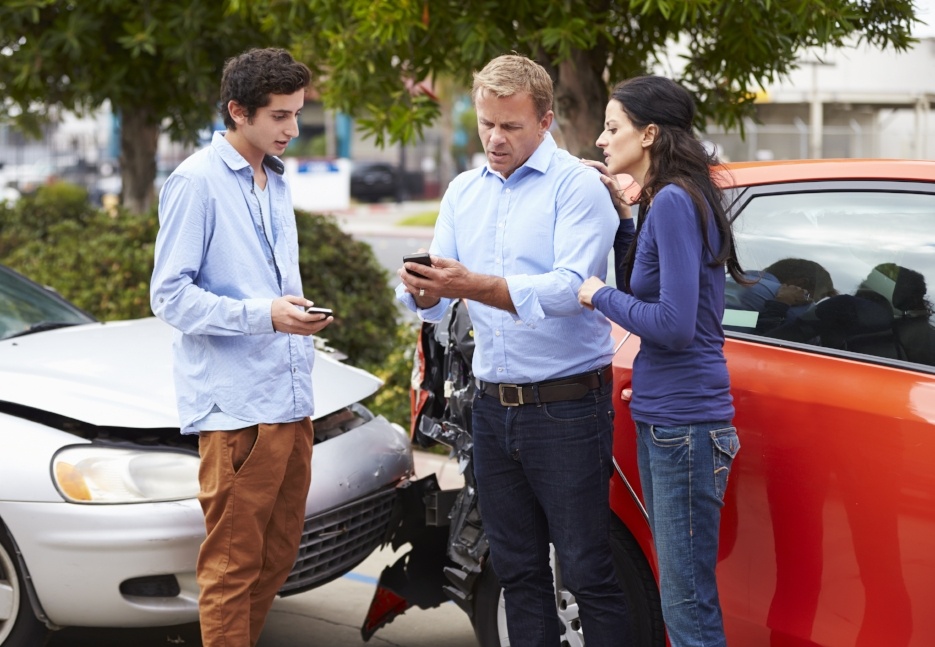
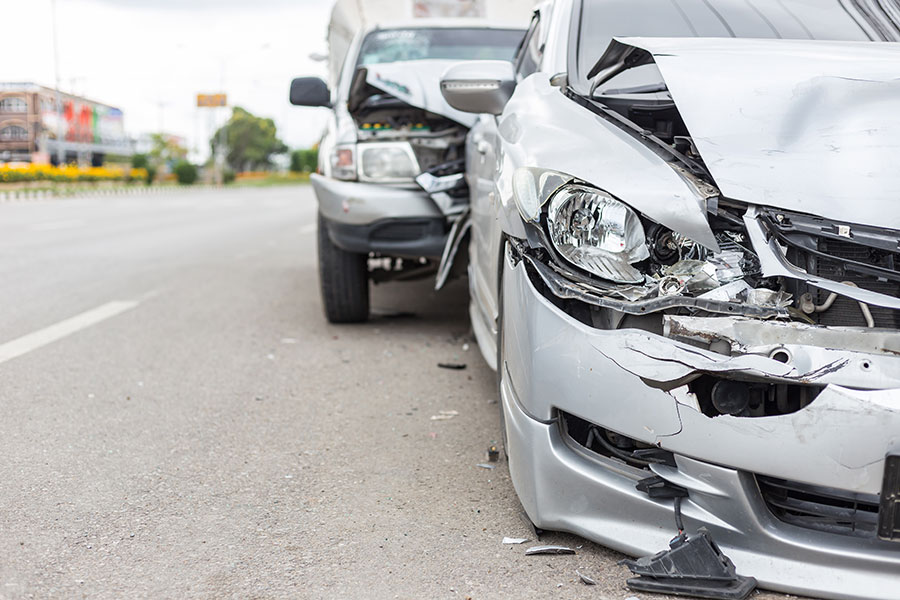
Many drivers think that simply exchanging insurance information is enough after a car accident. This is a dangerous misconception. Leaving the scene without calling the police and getting a accident report can lead to denied claims, unpaid medical bills, and legal headaches.
Here’s why you should never just exchange information and drive away and what you should do instead.
⚠️ 1. Your Vehicle Damage May Not Be Covered
💥 The Risk: Simply exchanging information with the other driver after a car accident might seem like a convenient solution, but it can backfire quickly. Insurance companies will not automatically accept your word that an accident occurred. They need documentation, typically in the form of a police report, photos, or witness statements, to verify the claim.
Without a report or evidence, you could face several serious problems:
🚗 Out-of-Pocket Repairs: You may end up paying for your own vehicle damage if the other driver’s insurance denies liability.
🧾 No Proof of Fault: Without a police report, it’s your word against theirs. The at-fault driver could easily change their story or deny any involvement.
⏳ Claim Delays or Denials: Even if the other driver admits fault initially, their insurance adjuster may still delay or refuse payment due to lack of evidence.
🕵️ Fraud Risk: In some cases, dishonest drivers provide false names, phone numbers, or fake insurance information at the scene. Without verification, you have little recourse.
In short, just exchanging insurance cards isn’t enough to protect you. An accident report provides the documentation you need to hold the at-fault driver accountable and ensure your property damage claim is processed fairly.
📝 Quick Tip: Take clear photos of all vehicles involved, license plates, driver’s licenses, and the accident scene, including road signs, skid marks, and damage from multiple angles. Always call the police, even if the damage appears minor. A simple report today can save you from thousands in repair costs later.
🩹 2. Your Injuries May Go Unpaid
🚑 The Hidden Danger: Not all car accident injuries are obvious right away. Many people feel fine immediately after a collision, only to develop symptoms hours, days, or even weeks later. Common delayed injuries include whiplash, back pain, concussions, muscle strains, and soft tissue damage.
If you exchange information and leave the scene without a police report, you may lose your right to be compensated for these injuries.
Here’s why:
💰 Insurance Denial: The at-fault driver’s insurance company may question whether your injuries came from the accident. Without a police report, they can easily argue that the injury occurred later or in another incident.
🏥 Out-of-Pocket Medical Bills: You may have to pay out of pocket for doctor visits, chiropractic care, imaging, and physical therapy.
🩸 Loss of Evidence: Waiting too long to see a doctor, means there’s no record linking your injuries to the crash, making your claim much weaker.
🕒 Limited Time to File: Every state has a statute of limitations for personal injury claims. Delaying treatment can make it impossible to file for compensation later.
Even in states with Personal Injury Protection (PIP) or MedPay coverage, insurance providers still require proof that the injuries were caused by a motor vehicle accident. A lack of a police report or immediate medical care can severely hurt your claim.
💡 Quick Tip: Always get checked by a doctor who specializes in car accident injuries such as a chiropractor, physical medicine physician, or accident doctor. These professionals know how to document your injuries properly. Even if you feel fine, schedule an exam as soon as possible.
⚖️ 3. Attorneys May Decline Your Case
🧑⚖️ The Legal Challenge: After a car accident, you may later realize that your injuries or damages are more serious than they first appeared. At that point, hiring an attorney can be important to recover your losses. However, if you simply exchanged information and left the scene without a police report, you may find it difficult or even impossible to secure legal representation.
Here’s why many attorneys decline such cases:
📄 No Official Record: Lawyers rely on evidence to prove that an accident occurred and who was at fault. Without a police report, it becomes your word against the other driver’s.
📸 Lack of Supporting Evidence: If there are no photos, witness statements, or documentation from law enforcement, the attorney has little to build your case on.
💬 No Negotiation Power: Insurance companies often take cases less seriously when there’s no police involvement. They may offer lower settlements or none at all, knowing that the lack of proof makes litigation difficult.
🕵️ Risk of Inconsistent Stories: If the at-fault driver later changes their version of events, there’s no police report to back up your claim, leaving your attorney with limited options.
Even the most skilled personal injury attorney can only work with the evidence available. A missing police report can turn an otherwise valid claim into a weak one.
⚠️ Quick Tip: Always wait for law enforcement to arrive and file a report, even if the other driver insists it’s unnecessary. Obtain the responding officer’s name, badge number, and report number. This serves as the foundation for your legal and insurance claim.
💼 Need Legal Help? If you’ve been injured, contact a personal injury attorney right away. Most offer free consultations and work on a contingency basis, meaning you don’t pay unless they win your case. The sooner you reach out, the better your chances of preserving vital evidence and protecting your rights.
📞 4. The At-Fault Driver May Avoid Their Insurance
📉 The Communication Breakdown: One of the biggest risks of leaving the scene after simply exchanging information is that the at-fault driver may never report the accident to their insurance company. Without a police report or any third-party verification, you have no leverage to ensure their insurer even acknowledges your claim.
Here’s what can happen if you rely solely on the other driver’s word:
🚫 No Claim Filed: The at-fault driver might choose not to contact their insurance provider at all, especially if they fear higher premiums or losing coverage.
📵 No Response from the Insurer: When you attempt to file a claim yourself, the insurance company may refuse to speak with you until they’ve heard from their policyholder. If that never happens, your claim goes nowhere.
❌ Conflicting Stories: Even if they do report it, the other driver may provide a completely different version of events, potentially blaming you for the crash. Without a police report, it’s your word against theirs.
🕳️ Coverage Denial: Insurers can use any inconsistency or missing police report as grounds to deny your claim or drastically reduce the payout amount.
When there’s no police involvement, you lose the objective proof that most insurance companies require to process property damage and injury claims.
📷 Tip: Take photos of the at-fault driver’s license plate, driver’s license, insurance card, and vehicle damage. This helps verify their identity and protect you if they fail to report the incident later.
💡 Why It Matters: A documented accident ensures both insurance companies are aware of the claim, provides proof of fault, and prevents the at-fault driver from avoiding responsibility. Without it, your chances of receiving fair compensation are slim.
⚠️ 6. The At-Fault Party Could Say It’s Your Fault
🌀 The Unexpected Twist: One of the biggest dangers of leaving the scene after simply exchanging information is that the at-fault driver could later claim you caused the accident. Without a police report, their false statement could shift blame onto you, potentially costing you thousands of dollars in property damage and unpaid medical bills.
Here’s how that can happen:
🗣️ Conflicting Stories: Once you leave, the at-fault driver is free to tell their insurance company a completely different version of events, one that makes you appear responsible.
👀 Fake or Misleading Witnesses: In some cases, the other driver may even present so-called “witnesses” who was not actually at the scene.
⚖️ Insurance Bias: When it’s your word against theirs, insurance companies often side with their policyholder, especially when no police report or third-party verification exists.
💰 Financial Consequences: If the other driver’s insurer successfully pins the blame on you, your own insurance may be forced to pay for their property damage, medical bills, and other losses.
Once fault is assigned to you, disputing it becomes extremely difficult without supporting evidence. Even your own insurance company may have little power to fight back if there’s no record of what actually happened.
🚨 Quick Tip: Never agree to “just handle it between us.” Always call the police, no matter how minor the crash appears. The accident report provides an unbiased account that can protect you from false claims.
📸 Evidence Checklist: Before leaving the scene, gather as much proof as possible:
Photos of both vehicles and the scene from multiple angles
Close-ups of license plates, driver’s licenses, and insurance cards
Contact information for any witnesses
The responding officer’s name and report number
🧾 Why Documentation Matters: A police report is the strongest defense against false accusations. It establishes the facts, secures witness statements, and provides an objective account that can be used in court or during insurance negotiations.
🏁 Bottom Line
Staying calm, organized, and proactive after a car accident can make all the difference. Do not just exchange information and leave. Protect yourself, your passengers, and your property by:
Labor Day weekend marks the unofficial end of summer, and millions of Americans will spend the holiday traveling, attending cookouts, visiting family, or enjoying one final weekend on the water. Unfortunately, increased travel, alcohol consumption, crowded roads, and recreational boating can also create serious safety risks. Labor Day has historically
After a car accident, many people hear the phrase “comprehensive accident treatment” but are unsure what it truly involves. The quality and scope of medical care you receive after an accident can impact both your recovery, health, and your personal injury case. Comprehensive accident treatment goes beyond addressing immediate pain. It is
The Fourth of July this year marks America’s historic declaration of independence from British rule. While the Revolutionary War didn’t end until 1783, July 4th has since become a symbol of freedom and celebration. It’s a day many Americans look forward to with barbecues, fireworks, and patriotic festivities. But behind
A car, truck, or motorcycle accident can be a very confusing and certainly frustrating time. Your car may be damaged to the point where it’s undriveable, you may be hurting, and you may not know what to do, or what you should do. This information applies to car, truck, and
After being involved in a car accident, protecting your health and documenting your injuries should be a top priority. Soft tissue injuries, spinal, or neurological damage are not visible to the naked eye and can develop symptoms days or even weeks after the crash. Diagnostic imaging helps identify these hidden
After a car accident, it is easy to make decisions based on shock, stress, or incomplete information. Unfortunately, many of the most common car accident mistakes occur within the first few days after a crash and can have lasting effects. Understanding these mistakes ahead of time can help you protect
We have helped thousands of injured victims find doctors near them that treat personal injury patients that have been involved in Car, truck, motorcycle, semi-trailer, and slip and fall accidents. Our physicians treat nothing but accident injuries, making them the best at we what they do. If we do not have a doctor listed near you, contact us.