The roads today demand defensive driving skills to ensure safety for yourself and others. Whether you’re driving on busy city streets, highways, or rural roads, defensive driving techniques can significantly reduce the risk of accidents.
With an increasing number of vehicles and distractions, practicing defensive driving techniques can significantly reduce the risk of accidents. According to the National Highway Traffic Safety Administration (NHTSA), approximately 94% of traffic accidents are caused by human error. This highlights the importance of being aware, proactive, and prepared while driving.
This guide will cover key defensive driving techniques, common road hazards, and how to handle emergency situations to help you become a safer driver.
1. Stay Aware of Your Surroundings
One of the most important aspects of defensive driving is maintaining situational awareness. Many drivers operate their vehicles on autopilot, simply getting from point A to point B without paying attention to their surroundings. However, being an alert and proactive driver can prevent many accidents that could have been avoided.
How to Improve Your Awareness on the Road:
✅ Obey Traffic Laws – Following speed limits, road signs, and traffic signals is the first step in defensive driving
✅ Check Your Mirrors Regularly – Keep an eye on what’s happening behind and beside you. Adjust your mirrors properly to minimize blind spots.
✅ Be Mindful at Intersections – Always look both ways, even if you have the right of way. Many accidents happen at intersections due to distracted drivers running red lights.
✅ Be Predictable – Use your turn signals to communicate your intentions clearly to other drivers.
✅ Scan the Road Ahead – Look farther down the road to spot potential hazards early, giving yourself time to react.
✅ Adapt to Road Conditions – Adjust your driving according to weather, traffic, and road conditions. Rain, snow, and fog require slower speeds and increased following distances.
✅ Avoid Aggressive Driving – Stay calm and patient. Aggressive behaviors like tailgating, brake checking, excessive speeding, and road rage increase accident risks.
2. Always Have an Escape Plan
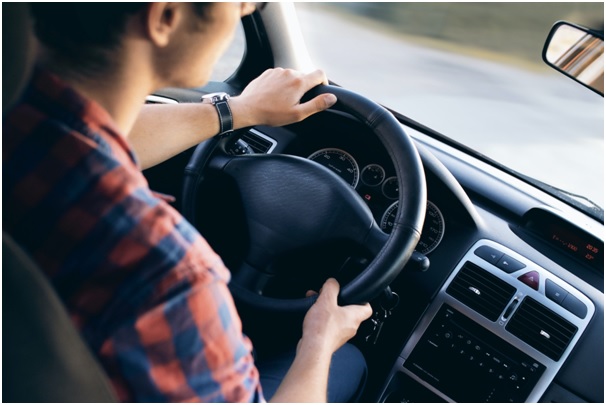
You can’t control other drivers, but you can prepare for their mistakes. Always think ahead and have an escape route in mind to avoid potential accident.
How to Create an Escape Path:
✅ Leave Extra Space at Intersections – When stopping at a red light, don’t pull too close to the car in front. This gives you room to maneuver if needed.
✅ Know Your Surroundings – Regularly check for alternate routes (shoulders, adjacent lanes) that you can use in an emergency.
✅ Avoid Getting Boxed In – Stay out of situations where you are surrounded by vehicles with no room to escape.
✅ Be Ready to Brake or Accelerate – Keep your foot near the brake in heavy traffic so you can react quickly if needed.
Defensive driving means being ready for the unexpected, whether it’s a reckless driver, sudden lane change, or an emergency stop.
3. Maintain a Safe Following Distance
One of the most common causes of rear-end collisions is tailgating. According to the NHTSA, 1.7 million rear-end crashes occur each year in the U.S. To prevent accidents, always keep a safe distance between your vehicle and the car in front of you.
The Three-Second Rule:
- Pick a fixed object (like a road sign) ahead.
- When the car in front passes that object, start counting: “one-thousand-one, one-thousand-two, one-thousand-three.”
- If you pass the object before finishing the count, you’re too close, increase your distance.
Increase Your Distance When:
🚗 Driving at higher speeds.
🌧 Road conditions are not ideal (rain, ice, or fog).
🚚 Following larger vehicles like trucks (which have longer stopping distances).
⛰ Driving on hills or uneven terrain.
The more space you leave, the more time you have to react in case of sudden stops.
4. Avoid Distractions While Driving
Distracted driving is a leading cause of accidents. Anything that takes your attention away from the road is a dangerous distraction.
How to Minimize Distractions:

🚫 Put Your Phone Away – Use Do Not Disturb mode while driving.
🚫 Preprogram GPS & Music – Set your destination and playlist before driving.
🚫 Secure Loose Items – Avoid reaching for objects while driving.
🚫 Limit Passenger Distractions – Keep conversations light and avoid intense discussions while driving.
🚫 Eat Before or After Driving – Eating while driving diverts your hands and attention.
Many newer cars have built-in safety features that prevent GPS adjustments and video play while driving. Use these tools to your advantage!
5. Look Farther Ahead
Being a defensive driver means looking for potential hazards before they happen. Instead of focusing only on the car in front of you, train yourself to look further ahead to spot problems early.
Why Looking Ahead Helps:
🔹 Prevents Sudden Braking – Spot slowing traffic early and adjust your speed gradually.
🔹 Avoids Road Hazards – Identify debris, potholes, or stopped vehicles before it’s too late.
🔹 Prepares for Merging Vehicles – Look for cars entering or exiting the highway.
🔹 Reduces Collision Risks – You can react to brake lights, swerving vehicles, or obstacles in advance.
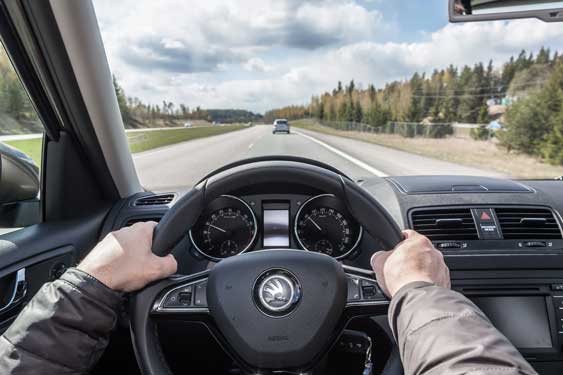
If you’re only looking at the car in front of you, you limit your reaction time. Keep your eyes moving and scan farther ahead for safety.
6. Defensive Driving for Motorcyclists
Motorcyclists must be some of the best defensive driver, because they have less protection in case of a crash.
Motorcyclists Must:
✅ Assume Other Drivers Don’t See Them – Ride defensively and make yourself visible.
✅ Watch for Blind Spots – Many accidents occur because cars don’t see motorcycles.
✅ Scan for Road Hazards – Potholes, gravel, and debris can be deadly for bikers.
✅ Stay Out of Blind Zones – Avoid riding directly next to cars or trucks.
✅ Wear Protective Gear – Helmets, jackets, gloves, and boots provide good protection.
Car drivers should also look twice for motorcycles, especially when changing lanes or turning at intersections.
7. Defensive Driving in Bad Weather
Poor weather conditions make driving more dangerous. Defensive drivers adjust their speed and technique based on the road conditions.
Driving Safely in Rain, Snow, or Fog:
🌧 Slow Down – Reduce speed and increase following distance.
🌧 Use Low Beams in Fog – High beams reflect light, reducing visibility.
🌧 Avoid Sudden Movements – Accelerate and brake gradually to avoid skidding.
🌧 Watch for Hydroplaning – If your tires lose traction, ease off the gas and steer straight.
🌧 Clear Windows and Mirrors – Make sure defrosters and wipers are working properly.
Defensive driving means adjusting to the environment, always drive cautiously in bad weather!
Final Thoughts: Defensive Driving Saves Lives
By practicing defensive driving, you not only protect yourself but also make the roads safer for everyone. Remember these key takeaways:
✔️ Stay aware of your surroundings – Always scan the road.
✔️ Have an escape route – Be ready for the unexpected.
✔️ Keep a safe following distance – Use the three-second rule.
✔️ Avoid distractions – Focus 100% on driving.
✔️ Look ahead – Look for potential hazards.
✔️ Adjust for road conditions – Drive appropriately for weather and traffic.
Defensive driving is more than just a skill, it’s a responsibility. By staying alert, keeping a safe distance, avoiding distractions, and looking for hazards, you can reduce your risk of accidents and keep the roads safer for everyone.
Adopting these proactive driving habits will not only protect you but also others on the road. Whether you’re a new driver or an experienced one, continuous improvement in defensive driving techniques can make a life-saving difference.
🚘 Stay alert. Drive smart. Arrive safely.