

When a car accident happens, most people expect to feel pain immediately if they are injured. However, this is not always the case. Many accident victims walk away feeling “fine,” only to experience pain hours, days, or even weeks later. This is known as delayed pain, and it can be just as serious as immediate injuries.
Understand why delayed pain occurs, what symptoms to look for, and when to seek medical care.
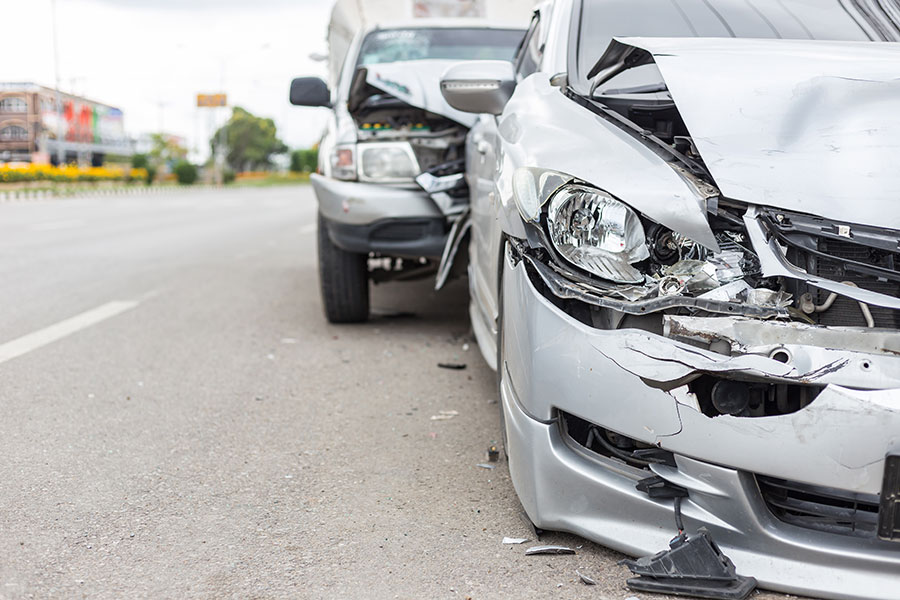
Why Does Delayed Pain Happen After a Car Accident?
It’s natural to assume that if you’re not in pain immediately after a car accident, you must have not have any injuries. However, the human body reacts to trauma in different ways, and delayed pain is extremely common. Here are the main reasons why this happens:
1. Adrenaline and Shock Mask Symptoms
In the moments following an accident, your body enters “fight-or-flight” mode. Stress hormones like adrenaline and endorphins flood your system, giving you a temporary boost of energy and dulling pain signals. This biological response is designed to help you survive a stressful event. However, it also means that injuries may not be noticeable until hours later, once hormone levels drop.
2. Soft Tissue Injuries Take Time to Swell
Injuries such as whiplash, sprains, or muscle tears often get worse gradually. The body responds to damage with inflammation and swelling, which may not peak until 24–48 hours later. That’s why many people wake up the day after an accident feeling stiff, sore, or unable to move, even if they felt fine right after the crash.
3. Hidden Injuries Can Progress Slowly
Some injuries, like concussions or herniated discs, don’t always cause immediate pain. For example:
- A concussion may initially cause only mild dizziness, with headaches or memory issues showing up later.
- A spinal injury might begin as mild discomfort and progress to sharp pain or numbness as inflammation increases.
- Internal bleeding or organ damage may be subtle at first but can quickly turn life-threatening.
4. The Body Compensates After Trauma
Your body has a remarkable ability to adapt. After an accident, it may unconsciously shift weight or movement patterns to protect injured areas. While this compensation can reduce immediate pain, it often leads to stiffness, soreness, or new pain days later as muscles and joints are overworked.
5. Stress and Tension Contribute to Pain
Beyond physical injury, the emotional stress of a car accident can contribute to delayed pain. Muscle tension, disrupted sleep, and anxiety may intensify existing injuries or create additional discomfort that wasn’t present right away.
👉 Just because you don’t feel pain right after a crash doesn’t mean you are not hurt. Many conditions emerge slowly, which is why it’s always wise to see a doctor after an accident, even if you feel okay at first.
Common Types of Delayed Pain
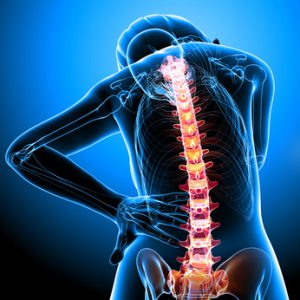
Different injuries can cause pain to appear later rather than right after the accident. Here are some of the most common:
- 🚗 Neck and Shoulder Pain–Often linked to whiplash, which may take hours or days to develop. Symptoms include stiffness, soreness, and reduced range of motion.
- 🚗 Back Pain–Herniated discs, muscle sprains, or spinal injuries may not be immediately obvious but can get worse over time, if left untreated.
- 🚗 Headaches–A delayed headache could indicate a concussion, traumatic brain injury (TBI), or even a blood clot. These should never be ignored.
- 🚗 Abdominal Pain–This can signal internal bleeding or organ damage, both of which are medical emergencies that require immediate attention.
- 🚗 Numbness or Tingling–Possible signs of nerve compression or damage, often related to spinal injuries.
Is Delayed Pain Serious?
Yes, delayed pain after a car accident can be very serious. While some discomfort may result from minor muscle soreness, delayed pain is often a warning sign of hidden injuries that require professional medical attention. What makes delayed pain a danger is not just the pain itself, but what it may represent.
1. It Can Signal Serious Underlying Injuries
Pain that appears hours or days after an accident may point to conditions such as:
- Whiplash and soft tissue injuries – which, if untreated, can cause chronic stiffness and long-term discomfort.
- Spinal injuries – like herniated or bulging discs, which can lead to nerve compression, numbness, and mobility issues.
- Traumatic brain injuries (TBI) – sometimes masked at first, but delayed headaches, dizziness, or confusion can be signs of a concussion or something more severe.
- Internal injuries – such as bleeding or organ damage, which may not show immediate outward symptoms but can quickly become life-threatening.
2. Ignoring Symptoms Can Make Them Worse
Waiting to see if the pain “goes away on its own” is risky. In many cases, untreated injuries worsen over time, leading to:
- Prolonged healing and chronic pain
- Reduced mobility and quality of life
- Higher medical costs from more intensive treatment later
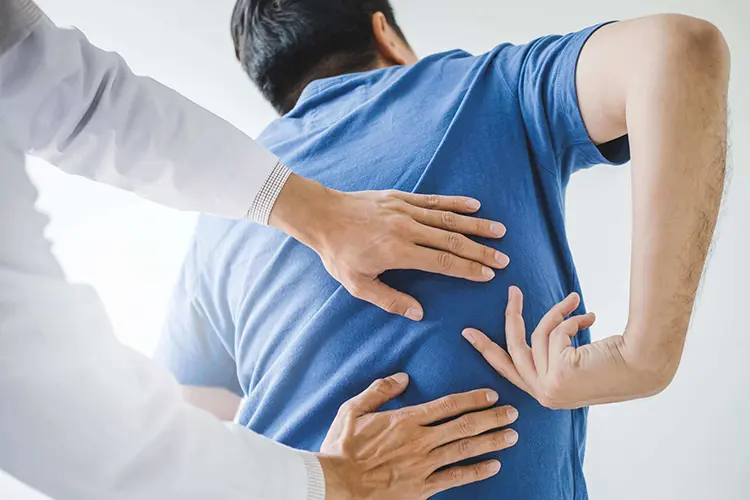
3. Delayed Pain Can Affect Your Injury Claim
From a legal perspective, delayed pain is also important. Insurance companies may try to argue that your injuries were not caused by the accident if you wait too long to seek medical treatment. Quickly reporting symptoms to your accident doctor helps establish a connection between your accident and your injuries.
4. Early Care Leads to Better Recovery
The sooner you receive treatment, the better your chances of a full recovery. Doctors who specialize in auto accident injuries can identify hidden problems early and create a personalized care plan to prevent long-term complications.
👉 In short, delayed pain should never be dismissed as “just soreness.” Whether it’s a nagging ache or a sharp pain that develops days later, it’s your body’s way of signaling that something may be wrong. Taking delayed pain seriously not only protects your health but also safeguards your right to proper compensation after an accident.
What You Should Do If You Notice Delayed Pain after an accident
If you begin to feel pain hours or days after a car accident, don’t ignore it. Taking the right steps early can make a major difference in your recovery and your ability to protect your legal rights. Here’s what to do:
1. Seek Medical Care Right Away
Even if the pain feels mild, it’s important to get checked by a doctor who understands auto accident injuries. A thorough exam can uncover hidden problems such as whiplash, concussions, or spinal injuries that may not be obvious at first. Early diagnosis often leads to faster, more effective treatment.
2. Document Your Symptoms in Detail
Keep a daily record of your pain and other symptoms, noting:
- When the pain started
- How intense it feels (mild, moderate, severe)
- Specific activities that worsen or improve it
- Any new symptoms that appear over time
This documentation can help your doctor adjust your treatment plan, and it can also serve as evidence if you need to file a personal injury claim.
3. Follow Your Treatment Plan Consistently
Skipping appointments or stopping treatment too soon can slow down healing and hurt your injury case. Whether it’s physical therapy, chiropractic adjustments, or prescribed medications, consistency is key to both recovery and credibility.
4. Avoid “Toughing It Out”
Many people try to push through pain or delay care, hoping it will fade. Unfortunately, untreated injuries often get worse and can lead to long-term complications. Listening to your body and addressing pain early gives you the best chance at a full recovery.

5. Consult a Personal Injury Attorney if Needed
If your accident was caused by another driver, an attorney can help ensure your medical expenses, lost wages, and other damages are covered. Having medical documentation of delayed pain makes your case stronger and increases the likelihood of fair compensation.
👉 If delayed pain appears after a car accident, don’t wait and see if it goes away. Seek medical evaluation, keep track of your symptoms, and follow through with treatment. Acting quickly prevents bigger problems in the future.
Final Thoughts
Delayed pain after a car accident is not uncommon, and it can be a sign of more serious underlying injuries. Even if you feel fine immediately after a crash, make sure to go see the doctor to get checked out.


