A slip and fall accident occurs when someone slips, trips, or falls on someone else’s property due to hazardous conditions, such as a wet floor, uneven surfaces, poor lighting, or obstacles. Slip and fall accidents can result in injuries, ranging from minor bruises to more severe injuries like fractures or head trauma. While most slip and fall claims are legitimate and result from genuine accidents, there are instances where fraudulent claims can occur.
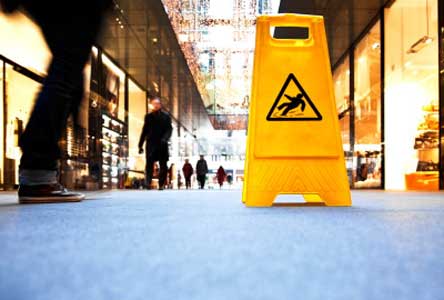
Here are some examples of fraudulent slip and fall claims:
Fake Accidents:
Fraudsters intentionally create hazardous conditions or stage slip and fall accidents to make false claims. They may spill liquid on the floor, place obstacles in walkways, or manipulate the environment to make it appear unsafe.
Exaggerated Injuries:
Individuals may exaggerate the extent of their injuries or fabricate injuries altogether to seek higher compensation. They may claim severe pain, disability, or emotional distress that is not supported by medical evidence or the actual circumstances of the accident.
Pre-existing Conditions:
Some claimants may attribute their pre-existing injuries or conditions to the slip and fall accident, exaggerating the impact of the incident on their health. They may hide their pre-existing conditions or misrepresent their medical history to support their claim.
Inconsistent Statements:
Fraudulent claimants may provide inconsistent statements regarding the accident, the circumstances leading up to it, or the injuries sustained. These inconsistencies may raise suspicion and indicate a fraudulent claim.
Surveillance Contradictions:
Insurance companies sometimes conduct surveillance on claimants suspected of fraud. If the surveillance footage contradicts the claimant’s reported injuries or limitations, it can be evidence of a fraudulent claim.
It is important to note that fraudulent slip and fall claims are not representative of all claims related to these accidents. Genuine slip and fall accidents can cause significant harm, and individuals have the right to seek compensation for their injuries and losses.
Insurance companies and property owners have processes in place to investigate slip and fall claims and assess their validity. This helps ensure that legitimate claims are fairly compensated while deterring fraudulent activity.
Where do slip and fall accidents take place
Slip and fall accidents can occur in various settings where hazardous conditions exist. Here are some common places where slip and fall accidents frequently happen:
Retail Stores:
Slippery floors in retail stores, supermarkets, and shopping malls due to spills, wet surfaces, or recently cleaned floors can lead to slip and fall accidents.
Restaurants and Cafes:
Restaurants and cafes with greasy or wet floors in the kitchen or dining areas pose a risk of slip and fall accidents for both employees and customers.
Sidewalks and Parking Lots:
Uneven surfaces, cracked pavement, potholes, or icy conditions on sidewalks and parking lots can cause individuals to trip or slip and sustain injuries.
Stairs and Escalators:
Defective or poorly maintained stairs, missing handrails, loose steps, or malfunctioning escalators can contribute to slip and fall accidents, especially in public buildings, shopping centers, or transportation hubs.
Workplace Environments:
Slippery floors, cluttered walkways, inadequate lighting, or improper use of floor mats in workplaces can lead to slip and fall accidents. Industries such as construction, manufacturing, and hospitality have higher risks due to the nature of their operations.
Residential Areas:
Slip and fall accidents can occur in residential areas, such as apartment complexes or private properties, due to poorly maintained walkways, icy or snowy conditions, or inadequate lighting.
Public Facilities:
Public facilities like parks, recreational areas, government buildings, and educational institutions can have hazards like cracked pavement, slippery surfaces, or inadequate maintenance, increasing the risk of slip and fall accidents.
Healthcare Facilities:
Hospitals, clinics, and nursing homes can be prone to slip and fall accidents due to wet floors, medical equipment left in walkways, or insufficient precautions for patient and visitor safety.
It is important for property owners and managers to maintain safe premises, promptly address potential hazards, and provide adequate warnings to prevent slip and fall accidents. Likewise, individuals should remain vigilant, watch for potential dangers, and take reasonable precautions to avoid such accidents.
How do slip and fall accidents occur
Uneven Ground or Flooring:
Uneven or poorly maintained surfaces can cause individuals to lose their balance and experience a fall, potentially resulting in head trauma if the head strikes the ground or nearby objects.
Slippery or Wet Surfaces:
Slippery or wet floors, such as those caused by spills, leaks, or freshly mopped areas without proper warning signs, can lead to slip and fall accidents where the individual’s head may hit the floor or other surfaces.
Stairs and Steps:
Falls on stairs and steps can be particularly dangerous, as a person may strike their head on the stairs or nearby objects during the fall. Factors like inadequate handrails, broken steps, or poor visibility can contribute to such accidents.
Low Lighting Conditions:
Insufficient lighting in walkways, corridors, or outdoor areas can make it difficult for individuals to see potential hazards and increase the risk of tripping and falling, potentially resulting in head trauma.
Obstacles and Hazards:
Objects, debris, or other hazards left in walkways or on floors can cause individuals to trip and fall, leading to head injuries if the head comes into contact with the ground or surrounding objects.
Slip and Fall from Heights:
Falls from elevated surfaces, such as ladders, scaffolding, or elevated platforms, can result in severe head trauma. These accidents can occur in construction sites, warehouses, or other work environments with elevated areas.
Property owners and managers have a responsibility to maintain safe premises, promptly address potential hazards, and implement measures to prevent slip and fall accidents. Additionally, individuals should be aware of their surroundings, wear appropriate footwear, and take precautionary measures to reduce the risk of slips, trips, and falls.
Injuries you could sustain after a slip and fall accident.
Back and neck pain are common injuries that can result from slip and fall accidents. When a person falls and lands on their back or experiences sudden jolts to the body, it can lead to various back and neck injuries. Here are some examples:
Strains and Sprains:
Slip and fall accidents can cause strains or sprains in the muscles, tendons, or ligaments of the back and neck. Sudden movements or impact can overstretch or tear these soft tissues, resulting in pain, stiffness, and limited mobility.
Herniated Discs:
The impact of a fall can put significant pressure on the spinal discs, leading to herniation. A herniated disc occurs when the soft center of a spinal disc pushes through a crack in the outer layer, potentially causing back or neck pain, numbness, and tingling.
Spinal Fractures:
In severe slip and fall accidents, fractures or breaks in the bones of the spine, such as vertebral fractures, can occur. These fractures can cause intense back or neck pain and may require immediate medical attention.
Whiplash:
Whiplash is a common injury that can occur when the head and neck are rapidly forced backward and then forward, often seen in slip and fall accidents. It can result in neck pain, stiffness, headaches, and limited range of motion.
Pinched Nerves:
A fall can compress or pinch nerves in the back or neck, leading to radiating pain, tingling, or numbness that can extend into the arms or legs.
Spinal Cord Injuries:
Severe slip and fall accidents can cause damage to the spinal cord, resulting in significant back or neck pain, paralysis, and other neurological symptoms. Spinal cord injuries can have life-altering consequences and require immediate medical attention.
Head trauma
Head trauma can be a severe consequence of slip and fall accidents, especially when a person’s head makes direct contact with a hard surface or object.
They can range in severity from mild concussions to more severe traumatic brain injuries (TBIs). It is crucial to seek immediate medical attention if a head injury occurs, as proper diagnosis and treatment are essential for minimizing potential long-term effects.
Why you need to see a doctor who treats slip and fall injuries
It is important to seek an accident doctor evaluation and treatment if you experience back or neck pain after a slip and fall accident. Proper diagnosis and treatment from healthcare professionals, such as doctors, chiropractors, or physical therapists, can help manage pain, promote healing, and prevent long-term complications.
Property owners and managers have a responsibility to maintain safe premises and address potential hazards that could lead to slip and fall accidents. Individuals should also take precautionary measures, such as wearing appropriate footwear and being mindful of their surroundings, to reduce the risk of such accidents.